
When the Floor Heals You
How Korea Built Warmth Into Its Floors, Its Medicine, and Its Way of Caring for People

Before we get to warm floors and boiling soup:
Media Education Lab puts out a monthly newsletter on a different theme, and this month’s issue is all about K-Pop Demon Hunters. I contributed a piece titled “Is Korea Really Like That?”: Teaching K-Content Literacy in the Age of Global Media, and the other articles in this issue are just as thoughtful and useful for thinking about how we watch, teach, and talk about Korean pop culture.
Since media has become such a vital way to explore different cultures, I think you’ll enjoy the diverse insights in this issue. Have a look!
There’s also a companion podcast episode to go with this piece. I’ve packed it with even more layers, including the secret life of our family minivan and a visit to the classic medical drama Heo Jun, so if you listen alongside the essay, the two are meant to deepen each other.
Last week, we talked about the Korean obsession with warmth: the “No ice, please” reflex, the belly-covering instinct, the thousand small ways Korean caregivers treat cold as something to be defended against. This week, I want to go deeper. And I want to start with a comment.
A listener left a note on last week’s companion podcast, saying that two things in K-dramas had always amazed her: the bubbling, volcanically active soups Koreans eat with apparent enthusiasm, and the quiet gesture of offering plain warm water to anyone who seems to be struggling. She found both fascinating. And honestly? She picked exactly the right two things.
Because here’s where Korean care gets confusing to outsiders, in a delightful way.
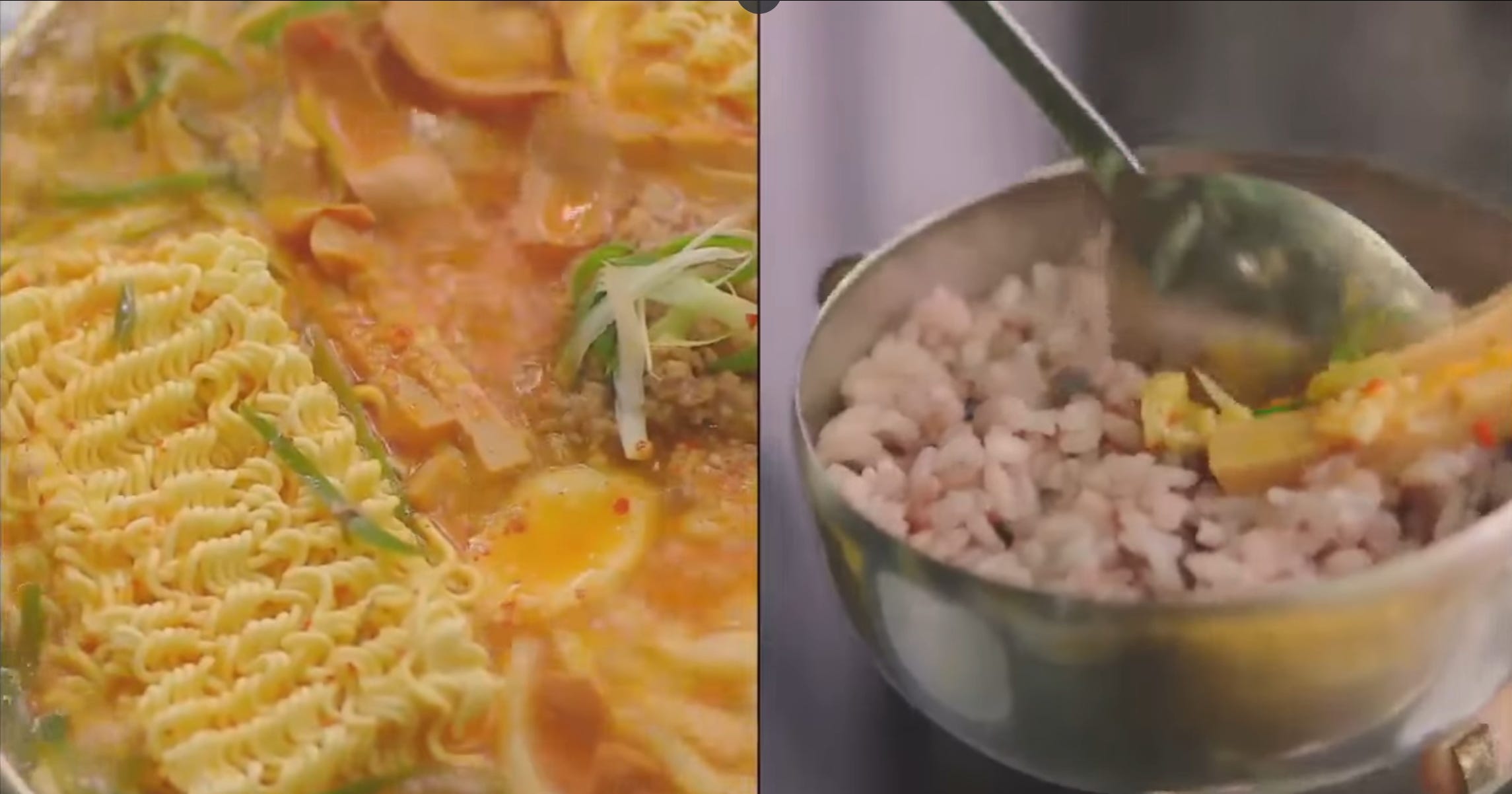
Koreans will eat soup that is still actively boiling at the table, take a spoonful, and sigh:
“Ahhh… 시원하다 (siwonhada).”
The literal translation of siwonhada is something like “cool” or “refreshing.” Which makes no sense if your tongue is currently being humbled by lava.
But that is exactly the point.
In Korean, siwonhada doesn’t mean cold. It means relief.
A clearing. A sense of the body returning to flow. It can mean refreshing, yes, but refreshing in the sense of “something loosened,” “something opened,” “something finally moved.” It’s temperature language used to describe bodily restoration.
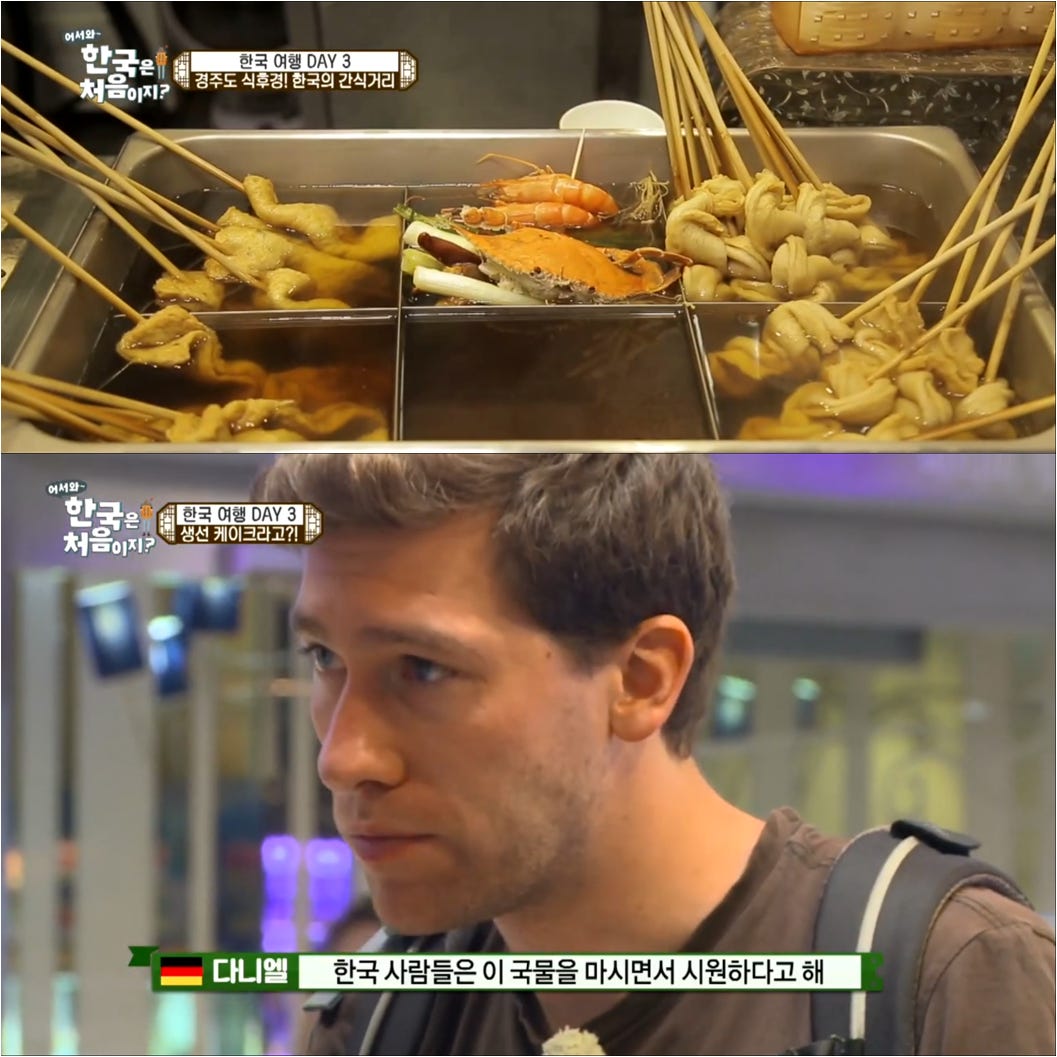
And that idea, warmth as restoration, not just comfort, was built, quite literally, into the floor.
The Floor That Changed Everything
Growing up in Korea, I heard plenty of “Wear warm clothes.” But I heard another line just as often:
“Sit somewhere warm.”
“Don’t sit on something cold.”
I didn’t realize how deep this ran until I became the adult saying it.
I live in America, but my mouth still speaks fluent Korean mom.
And to understand why that mattered so much, you need to understand ondol.
Let me introduce you to ondol (온돌).
If you’ve spent time in Korea, watched K-dramas, or have Korean friends who seem inexplicably comfortable lying on the floor, ondol is why.
Ondol is Korea’s traditional underfloor radiant heating system, one of the oldest in the world.
In its original form, you lit a fire in the kitchen hearth (아궁이, agungi). The heat, instead of going straight up a chimney, traveled through a network of underground channels beneath the floor, warming flat stone slabs (구들장, gudeuljang) laid across the surface. By the time the heat escaped through the chimney on the other side of the room, it had already given itself to the floor.
Cooking and heating: one fire, one system.
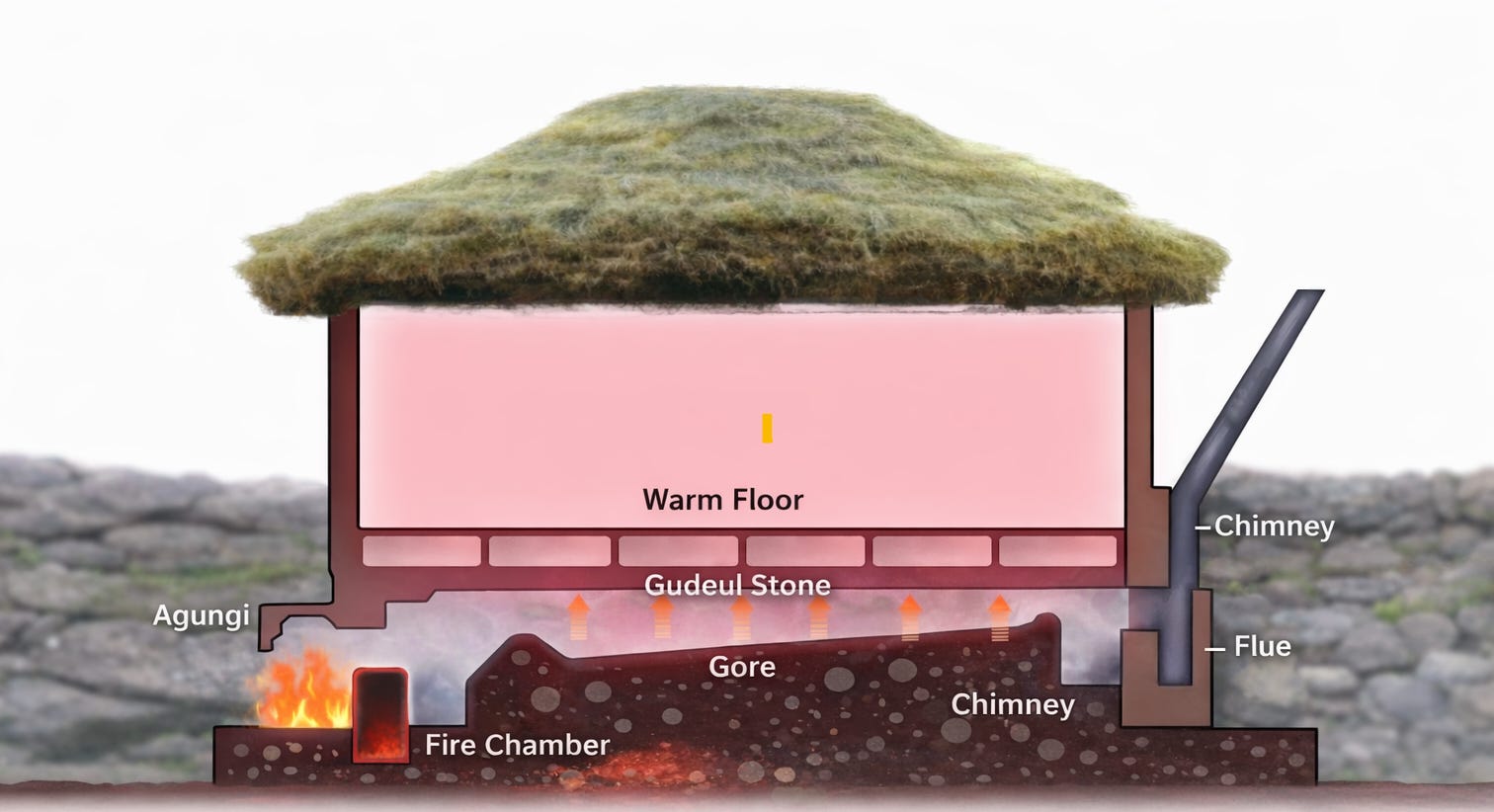
The result was a house where the ground itself stayed warm.
Not “warm” the way a heated room feels. Warm like the difference between climbing into a cold bed versus one that already has a hot water bottle tucked in, except it’s your entire floor, all the time, all winter.
This is the key contrast:
Many Western heating systems primarily warm the air.
Ondol warms the surface your body actually touches.
Your body feels the difference immediately, because one warms your environment, and the other warms your posture.
As Korea’s greatest classical medical text, the Donguibogam (동의보감), puts it: “Blood circulates when it receives heat; it coagulates when it meets coldness.” Build a house where you can lie down anywhere and feel warmth rising from below, and you’ve built a house that, in a very literal sense, keeps blood moving.
Koreans still live with ondol today, just in a modern form.
Instead of stone flues and a kitchen hearth, most apartments run hot water through pipes under the floor, so the heat rises gently from below. That’s why Korean homes often treat “floor heat” and “air temperature” as two separate controls.
You can keep the air cool while the floor stays warm, and no one blinks. “Floor heat on, air conditioning off” is a completely normal sentence in a Korean household. This sentence sounds insane until you’ve lived on a warm floor.
When Survival Becomes Culture
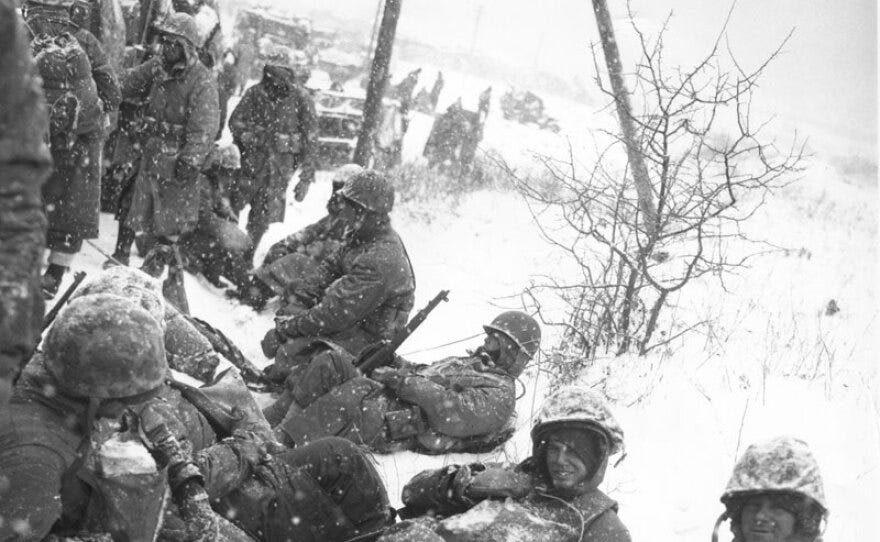
This didn’t happen because Koreans particularly enjoy warm floors as an aesthetic preference. It happened because people were cold and needed not to die.
The Korean Peninsula gets seriously, aggressively cold in winter. Siberian air masses sweep down from the north, and temperatures do not negotiate.
But what really pushed ondol from practical invention to civilization-defining institution was the Little Ice Age: a period of global cooling that hit particularly hard in the 17th century.
Historical records from Joseon-era Korea (1392-1897) describe winters so brutal that rivers froze solid for months, crop failures stacked year upon year, and cold-related deaths became a crisis of governance.
It was during this period that ondol, previously concentrated in northern regions and among working-class households, spread rapidly across the entire country. When winters got harsher, warmth stopped being optional.
There’s an interesting class story embedded here.
Early records, including Chinese Tang dynasty chronicles, describe Korean commoners lying over heated floor channels to survive the cold, while those with more resources had other means. Ondol started as the poor person’s solution. By the Joseon period, it had become universal. Something that began as survival technology for the least powerful eventually became the default for an entire civilization.
In 2018, the Korean government formally designated “ondol culture” as National Intangible Cultural Heritage #135. The warm floor you grew up on: officially certified. Some countries certify wines. Korea certified the floor.
The Hot Spot and Its Social Rules
Here is the part people miss when they treat ondol as a fun cultural fact.
Ondol did not just warm houses. It reorganized life inside them.
When the floor is consistently warm, chairs become optional.
You sit on the floor. You sleep there. You eat there. Children do homework there. Families argue there, and then make up there. You take your shoes off at the door because the floor is not “just the floor.” It is also your sofa, your bed, and your gathering place.
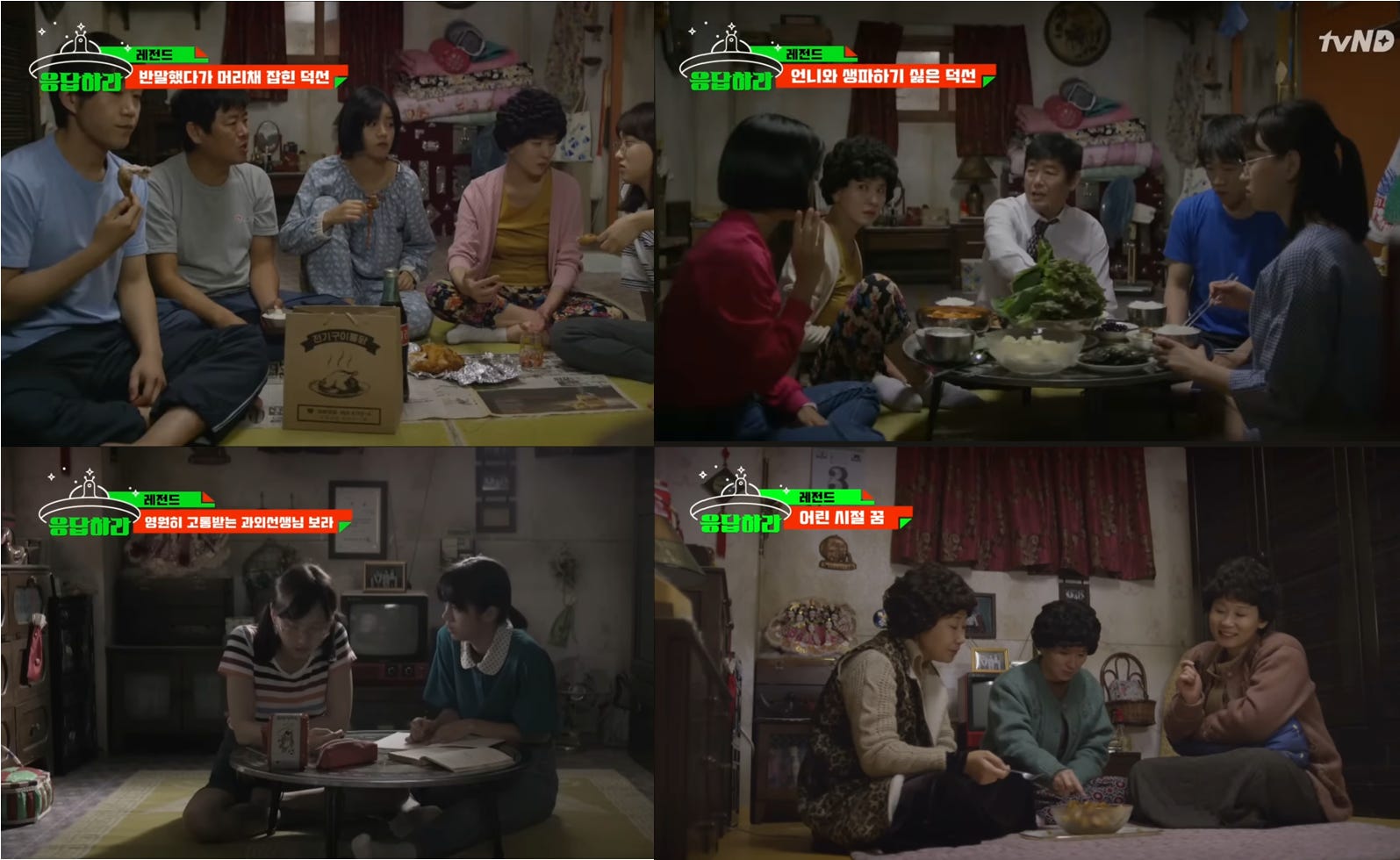
And within an ondol room, the warmest spot had a name: 아랫목 (araetmok). It was the part of the room that held the most heat.
It also carried a quiet moral code.
The araetmok belonged to the person who needed it most: the sick person, the elder, the honored guest. Warmth was a resource, and offering it was care made physical.
So when Korean caregivers obsess over warmth, they are not only chasing comfort. They are practicing something older.
They are building an environment where the vulnerable body can recover.
Your Mom’s Nagging Was a Medical Textbook
Now we move from architecture to medicine.
Korea’s most famous medical text, Donguibogam (동의보감), was compiled in 1613 by Heo Jun under royal instruction. UNESCO describes it as an encyclopaedia of medical knowledge and treatment techniques, and notes that it developed ideals of preventive medicine and public health care by the state, something it calls “virtually an unprecedented idea up to the 19th century.”
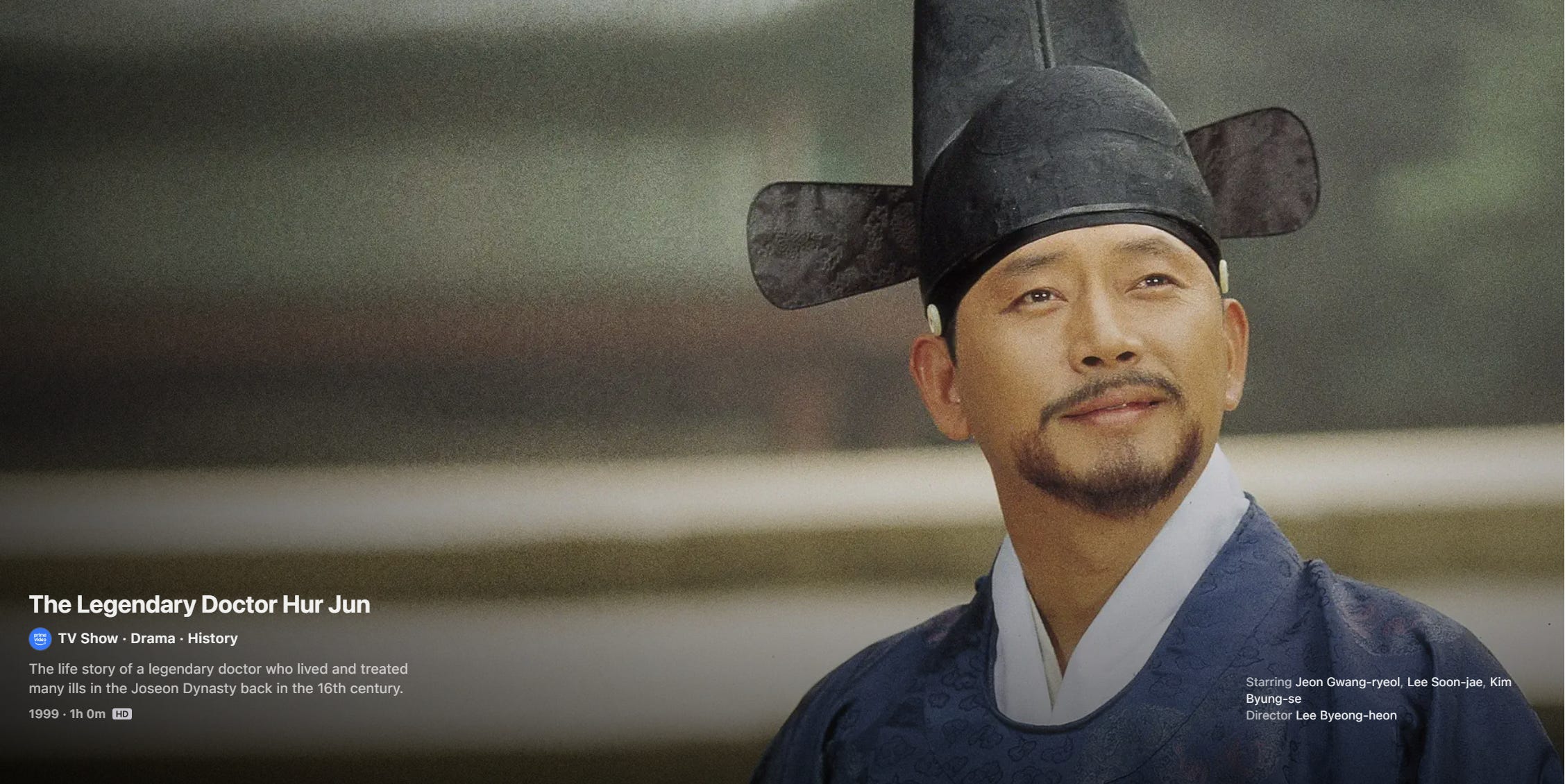
If you grew up Korean, you have heard “keep your stomach warm” so many times it can feel like folklore. But the National Library of Korea’s Donguibogam materials list “Health Tips for Children,” including a set of “10 Guidelines for Child Raising,” and a striking number of them are temperature-related:
Keep a child’s back warm
Keep a child’s abdomen warm
Keep a child’s feet warm
Keep a child’s head cool
Keep a child’s chest cool
And then, again, “always keep their stomach warm”
So yes, your mother’s voice can sound like nagging.
But sometimes it is also a compressed medical worldview passed down in household sentences. A mother’s warning can be a footnote that learned to talk.
The medical logic behind this is a principle called 두한족열 (du-han-jok-yeol): “cool head, warm feet.” In Korean medical philosophy, the ideal state of the body is one where warmth concentrates in the lower half and mild coolness stays near the head.
This keeps energy, gi (기운), in motion: flowing rather than stagnating, circulating rather than pooling. Ondol, by heating from the floor up, physically creates the conditions for du-han-jok-yeol. The architecture and the medicine were built to match each other.
A Note on Traditional Medicine and Research
I want to pause here for a moment, because “ancient Eastern medicine” can sometimes read like a polite way of saying “interesting but unverifiable.” And I think that framing does a disservice to a field that has been rigorously studied and systematized for centuries.
Korean medicine, hanuihak (한의학), is not folk belief dressed up in old books. It is a formal academic and clinical discipline, taught in accredited universities, practiced by licensed physicians, and actively researched.
The Korea Institute of Oriental Medicine (KIOM, 한국 한의학 연구원), a government-funded research institution, maintains a database of studies and clinical findings. If you read Korean, it’s worth exploring. An English-language searchable interface isn’t fully available yet, but here’s hoping, because this work deserves a wider audience.
None of this means every traditional claim survives modern scrutiny.
But it does mean the conversation is happening. The question isn’t “ancient wisdom vs. real science.”
It’s more interesting than that: where do centuries of careful observation and contemporary research actually agree?
On warmth, circulation, and the body’s relationship to cold, the overlap is more substantial than you might expect.
Warmth Is Not a Number
Western medicine talks about temperature in numbers. 36.5°C: normal. 38°C: fever. Call the doctor.
Korean care talks about temperature in questions. Is your belly warm? Are your feet cold? Did you sweat last night? Did the cold get in?
These are not the same thing. Numbers track deviation from a statistical norm. Questions track a relationship, between the body and its environment, between the person and the person tending to them.
And maybe that’s what siwonhada (시원하다) is really saying, too. Not “this is cold.” Not even just “this is hot.” But: this is exactly right. This is what my body needed. I can exhale now. The temperature was never the point. The relief was.
That’s not nagging. That’s infrastructure. And it’s been passed down, one generation at a time, through the bodies of people who grew up knowing what a warm floor feels like, and couldn’t imagine why you’d ever choose otherwise.
So why are Koreans “obsessed” with warmth?
Put all the pieces together:
A cold climate that could be genuinely dangerous
A heating system that made warmth feel like the default state of a safe home
A medical tradition that treated cold as a destabilizer and warmth as support
A daily life organized around sitting, sleeping, and recovering on the floor
From the outside, it can look excessive.
From the inside, it is coherent.
Korean care is not only symptom management. It is environment-building.
It is the house doing medicine.
It is why hot soup can be described as siwonhada, not because it is cold, but because it brings relief.
And it is why, even now, in America, I sometimes feel my mother speaking through me when my daughter sits on something chilly:
“Not there.”
“Somewhere warm.”
What comes next
There is one topic I cannot talk about in a “warmth” series without eventually reaching: postpartum care (산후조리), and the famous idea that “wind” can enter the body.
Next week is a book review week for my Korean-language shelf. Then, I will come back to postpartum warmth with the seriousness it deserves.
Until then, may your tea be warm, your blankets be plentiful, and your floor quietly do its old work.
I love the feeling of an ondol. Warmth from the bottom up is very different. Cozy.