


Before we dive in:
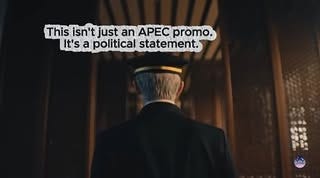
APEC is coming to Korea, and the latest promo includes a quiet promise about Korean democracy. I put together an English-captioned edit so the symbolism lands.
Prefer to go card by card, slowly? Browse the frames on my Instagram!
And with that preface, let’s talk about how internalized trauma became the engine of South Korea’s breakneck transformation.
Last week, we met the ghost that the war left behind—ambiguous loss, inherited hypervigilance, and the fortress mentality that turned households into bunkers.
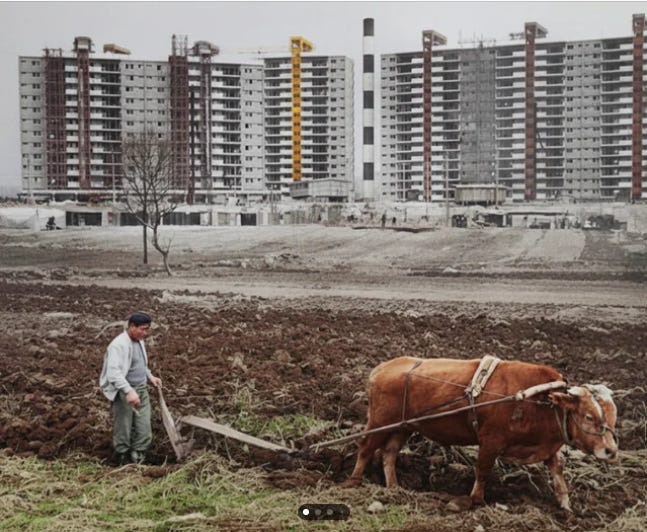
But that energy didn’t stay on the sofa. It burst out the door and built one of the most paradoxical societies on earth: a place that raised skyscrapers while its collective nervous system still ran on “survival mode.” This is the story of how deep wounds powered lightning-fast ambition and a work ethic bordering on superhuman, propelling Korea from rubble to the G20 in just one generation, all running on an operating system written by trauma.
The Gospel of Speed: “Pali-pali!”
Ever wonder why South Korea has Wi-Fi that feels like it’s downloaded from the future, or how a package you ordered two hours ago is already at your door? The answer is a two-word national mantra, a drumbeat for a country in a hurry: “pali-pali!” (빨리빨리), or “hurry, hurry!”
To an outsider, it looks like a cute, quirky obsession with efficiency. But it’s not a quirk; it’s a post-traumatic reflex.
Here’s the plot twist: 19th-century Western travelers actually complained that Koreans were too slow. The transformation from languid kingdom to hyper-caffeinated republic happened after the war, when an entire generation learned a horrifying lesson from experience: the slow die.
During the war, speed was life. You had to outrun an army, a bombing raid, or the approaching winter. Hesitation wasn’t just a bad idea; it was a death sentence. After the armistice, the enemy was gone, but the feeling of being pursued remained. So, the war generation channeled that panicked adrenaline into rebuilding. The race was no longer against soldiers, but against poverty and despair. A whole nation started running, terrified that if they stopped, the ghosts would finally catch up.
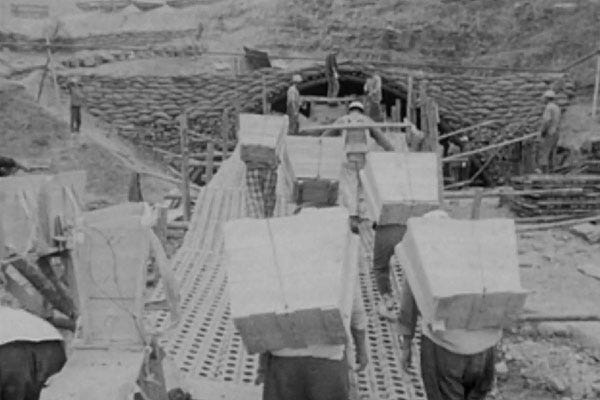
This ethos was cast in concrete with the Gyeongbu Expressway, a 428-kilometer highway from Seoul to Busan. Scheduled to take over three years, it was finished in two years and five months. Why the rush? Because in a world where everything can be deleted in an instant, you have to build faster than disaster can strike. Speed became the only insurance policy that would cash out.
The Unshakeable Anchors: Education and Real Estate
What do you cling to when your home, your family, your entire country could vanish in an instant? You look for anchors. Two things became sacred in postwar Korea: what’s in your head, and the patch of earth beneath your feet.
1. Education as the Ultimate Fortress
Wars burn bridges and houses, but knowledge? That’s portable and untouchable. Education wasn’t just a ticket to a better job; it was an existential life raft. Parents who lost everything bet all they had—including selling livestock and working to the bone—to stuff their kids’ heads with an unbreakable asset: a degree.
Here comes a memorable phrase from the rural 1970s and ’80s: 우골탑 (ugoltap) or “cow-bone tower.” It’s a grim joke about universities built on the sale of family cows to pay tuition. Later, it evolved into 인골탑 (ingoltap), “human-bone tower,” highlighting brutal parental sacrifice. Not just folklore—these terms are widely recognized in Korean media and dictionaries.
A university diploma? Not just paper. A shield against the chaos.
2. Real Estate as the Last Stand
If education was an invisible fortress, land was the rock-solid one. Owning property in small, densely packed South Korea became an obsession because governments fall, currencies fail, but land? That stays. An apartment in Seoul was more than an investment. It was planting a flag—a declaration that said, “We’re here; we survived; and we aren’t going anywhere.”
The Engine of Han: Turning Grief into Rocket Fuel
The hardest concept for outsiders: 한 (Han, 恨), Korea’s uniquely knotted cocktail of grief, rage, injustice, and soul-deep sorrow. It’s a collective ache born from history’s wounds.
After the war, the country swam in Han—from lost families, national division, to helplessness so profound it could have drowned hope itself. But instead of sinking, Koreans weaponized their sorrow. The collective mantra wasn’t “We’re doomed,” but “We will never be this powerless again.”
Han morphed from silent mourning into a fierce, nearly vengeful ambition engine. You see it in the legends behind chaebols (재벌) like Samsung, LG and Hyundai, and in the tears and toil of tens of thousands of miners and nurses who went to West Germany in the 1960s and 1970s. Their remittances were more than money; they were lifeblood, pumping hope into Korea’s economic miracle fueled by Han.
The Co-op Mode: The Power of Solidarity
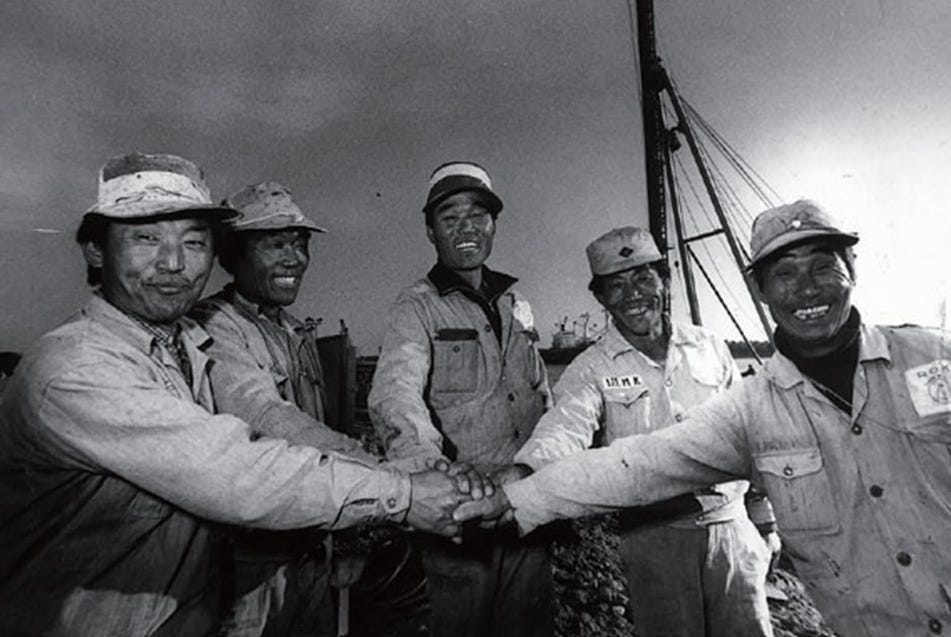
Korea’s survival algorithm wasn’t just a solo sprint. An older program ran in the background: mutual aid.
For centuries, villages lived by dure (두레, collective work teams) and pumasi (품앗이, neighbor-to-neighbor labor swaps). Survival was a team sport. War shattered communities, but it didn’t erase that software. In the ruins, people shared rice, patched roofs, took in orphans. In the 1970s, the state tried to bottle that spirit in Saemaul Undong (“New Village”), rapidly upgrading roads, roofs, and waterworks. Politics aside, the underlying lesson stuck: in a high-risk world, helping each other is the second survival algorithm.
The Pressure Cooker and Its Bill
A pressure cooker is brilliant for speed… but scary if the pressure valve jams. Korea’s recipe—speed, anchors, harnessed Han, and solidarity—cooked up an economic miracle in record time. But now? That valve is sticking.
The urgency that built the future is wearing down the present. The country now wrestles with a mental-health crisis and a suicide rate that sits among the highest in the developed world. That’s the bill. The miracle stands; so does the cost.
Next up: The Security Prison
If this post showed how Korea turned fear into fuel, the next post asks a harder question: what happens when fear becomes policy?
We will explore how North Korea shaped South Korea’s identity, not just as an enemy, but as a mirror reflecting hopes, fears, and the intense pressure of constant competition.
We’ll see how “anti-communism” and “security” became catch-all excuses to silence dissent, backed by strict laws and powerful intelligence agencies. This control turned some painful memories—like civilian massacres during the war—into almost forbidden topics.
And then came the pushback: students, workers, pastors, journalists fighting for two simple rights—to speak and to remember. That’s where we’re headed.
Further Reading (English)
On ppalli-ppalli culture and its postwar roots. Korea Joongang Daily
On the scale and escalation of private education: OECD and Statistics Korea; Private education spending in 2024
On household wealth & real estate, and regulators’ focus on debt.
On Korean miners and nurses in West Germany (1963–77). Digital Humanities Center and KBS World.


