
43. Why Korean Parents Can’t “Just Wait and See”
In Korea, parenting anxiety is not a personality trait. It’s a system.

🎧 Listen to the companion podcast episode!
It’s not a read-along. It’s a companion conversation that fills in the gaps and adds layers, whether you listen before or after you read.
Last week, I wrote about Distance Zero, the Korean caregiving instinct that kicks in the moment a child gets sick. The hands. The warmth. The refusal to leave even one inch of space between a vulnerable body and the people who love it.
But while I was writing that essay, one question kept tapping me on the shoulder. Politely. Repeatedly. Like a toddler discovering your boundaries are optional.
Why can’t we just wait and see?
The Historical Blueprint: Tigers, Mountains, and “Too Much” Love
Before judging modern intensity, admit: Korean caregiving has always been a bit “too much.” It’s not new.
For centuries, life on the Korean peninsula was a high-stakes survival game. Much of the land is mountainous (with tigers roaming the forests), the winters are famously brutal, and the summers are stiflingly humid. In that environment, the home became the clinic and caregivers became the first responders. This is why home remedies (민간요법, min-gan-yo-beop) and hands-on care traditions became so deeply ingrained in our DNA.
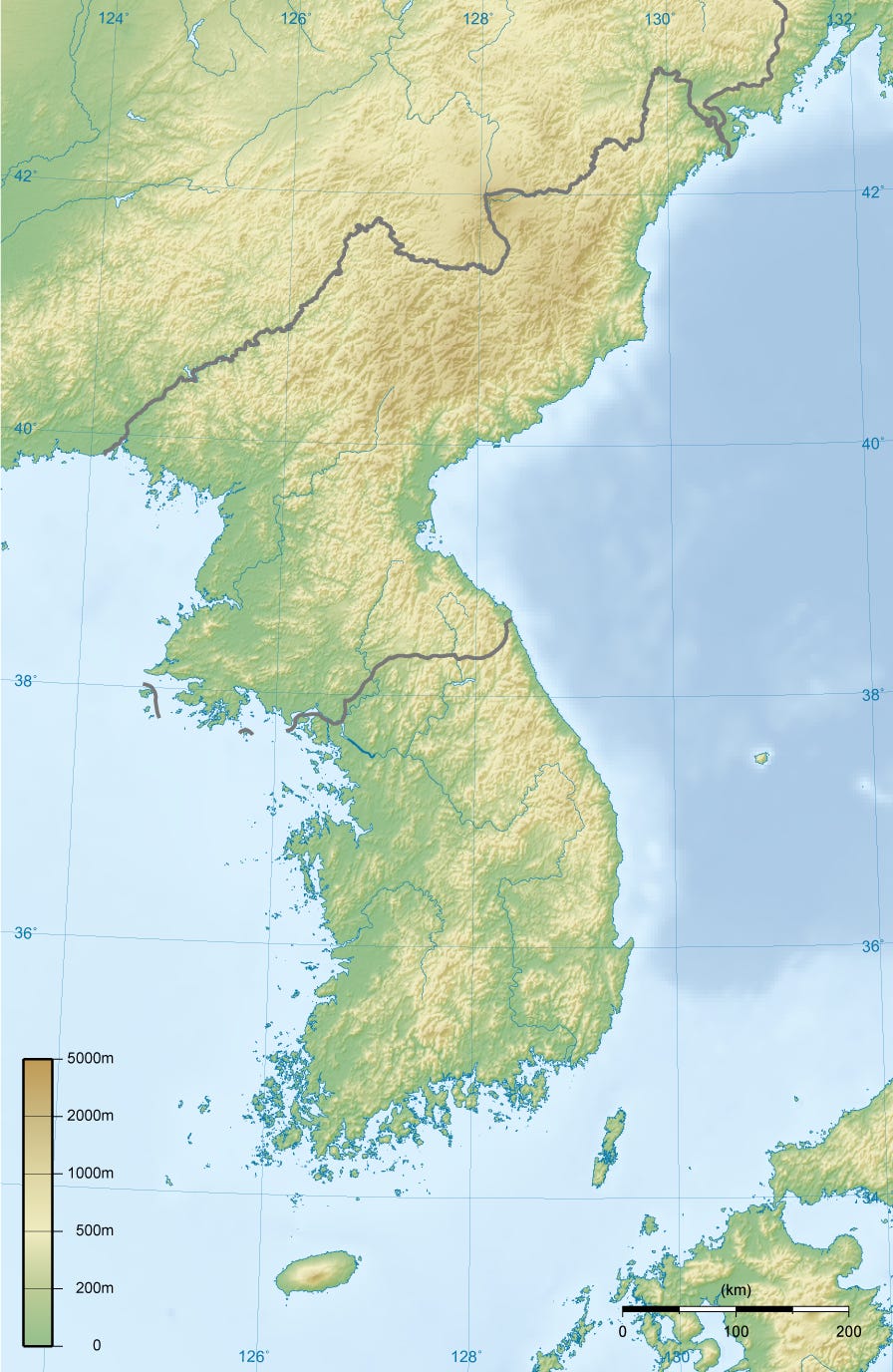
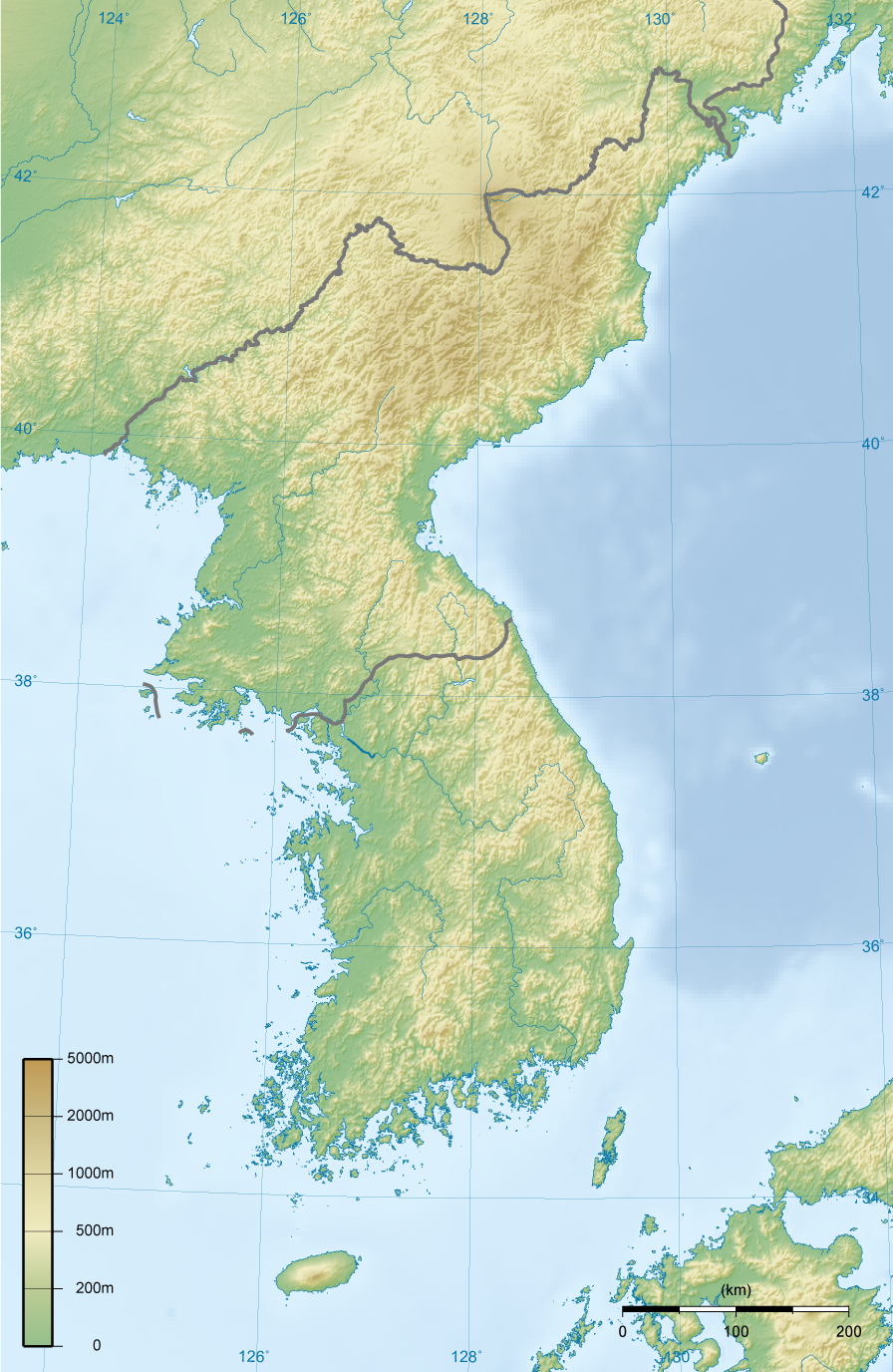
Add to that a history of invasion and instability. When you cannot fully trust geography or institutions to protect your family, you learn to rely on the density of your own people. Care became a survival habit.
But here is the paradox: today, Korea has world-class clinics and 24-hour pharmacies on every block. The tigers in the mountains are gone. So why does the anxiety feel stronger than ever?
Here’s the uncomfortable bridge between then and now:
Korea didn’t just modernize. It compressed modernity. In a few decades, we went from “make it through winter” to “optimize your child’s future,” and the caregiving instinct didn’t disappear. It upgraded. Survival anxiety got a new outfit, the kind that looks sleek, educated, and spreadsheet-ready.
In the old map, caregiving intensity made sense because the risks were physical and immediate: illness, hunger, cold, distance.
In the new map, the risks are social and long-term: falling behind, being judged, missing the “right” window. The threat is no longer a tiger. It’s the possibility of becoming that family people whisper about at the playground.
And once fear changes shape, care changes shape too. Instead of running to the clinic through the mountains, you run through information. Advice. Checklists. Comparison. The parenting brain becomes a browser with 47 tabs open, and somehow none of them are labeled “rest.”
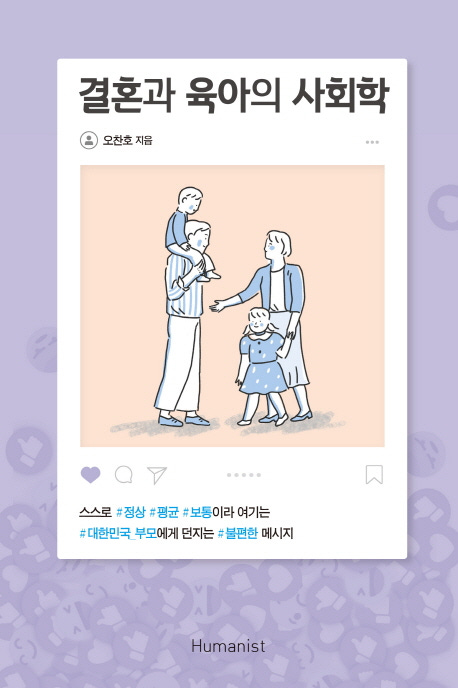
That is why I am reviewing Oh Chan-ho’s The Sociology of Marriage and Childcare (결혼과 육아의 사회학, gyeol-hon-gwa yuk-a-ui sahoehak) this week. I am not going to summarize the entire book. I want to use it to answer one question:
Why can’t Korean parents just “wait and see”?
By the end, you will see three things more clearly:
How “good motherhood” gets manufactured, then treated like nature
How the market trains parents to fear through “education,” especially at baby expos
How care can become visible, measurable, and expensive in ways that quietly punish anyone who is not “prepared”
If last week’s post was about closeness as medicine, this week’s is about the other side of Korean caregiving: the part that feels loving, exhausting, pricey, and weirdly compulsory, all at the same time.
Before we go deeper, I want to pause for a small thank-you. About once a month, I share a paid piece where I unpack Korean books and ideas that haven’t been translated into English. If you choose to join as a paid subscriber, you’re not just unlocking that deeper layer—you’re helping me keep this project going as an independent writer. Thank you.
Keep reading with a 7-day free trial
Subscribe to Understanding Korea, One Story at a Time to keep reading this post and get 7 days of free access to the full post archives.